Brixton Man And Van in Brixton

We provide Brixton man and van removals for local homes, flats and small businesses that need practical transport, careful lifting and organised delivery. The service suits short-distance moves, single-item collections, part-load removals and straightforward journeys where a full-size removals crew would be more than is needed. Our focus is on getting possessions moved safely, with sensible planning and clear communication about what needs to travel.
The work can cover a single bulky item, a few rooms of furniture or a lighter move that still needs a reliable van and experienced handling. We can support home moves, furniture collection, student moves and office transport, depending on the scale of the job and access at each address. If you need a straightforward man and van in Brixton, the service is designed to keep the process practical rather than complicated.
For larger or more mixed moves, the right plan depends on item size, stair access, loading space and the amount of packing already completed. That is why a good quote is usually based on the actual job rather than a generic estimate. Tell us what needs moving, where it is going and whether there are any access limits, and we can shape the booking around the work involved. You can also explore the service details first and then ask for a quotation when you are ready.
Home moves and part-load removals
Home moves with a man and van service are often ideal when the move is local, the load is manageable and the customer wants a flexible vehicle-and-labour option. That can include beds, wardrobes, boxes, dining furniture, white goods and everyday household items. A well-planned part-load move can be especially useful if you are moving in stages, sending a few items to storage or combining several pieces into one trip.
Part-load removals work best when the load is described clearly. Items that are awkward, fragile or heavy should be identified in advance so the vehicle size and loading order can be chosen properly. If you are comparing options, it helps to think about whether you need only transport, or transport plus loading and unloading support. Careful handling matters as much as the journey itself, particularly where furniture must pass through narrow hallways or shared entrances.
When preparing for a quote, it helps to note the main categories of items, the pickup and delivery points, and whether anything requires dismantling before travel. A few photos can sometimes make the discussion easier, but a written list is equally useful. Keep the details focused on what is moving, not just how many rooms are involved, so the estimate reflects the real workload rather than a rough guess.
Furniture pick-up and single-item transport

Furniture pick-up is a practical choice when one item is too large for a car but not large enough to justify a full removals team. Sofas, sideboards, wardrobes, desks and other bulky pieces are common examples. This kind of work often depends on access, stairs, parking and whether the item is already disconnected or dismantled, so a clear description before collection is always useful.
Single-item transport can also suit customers who have bought furniture locally and need it delivered without the delay of arranging a separate courier. In many cases, the main concerns are safe loading, preventing damage to the item and making sure there is enough space in the van for secure positioning. If the item is delicate or has glass, mirrors or fixed drawers, say so early so the handling can be planned properly.
The best outcomes usually come from simple, accurate information. If the item is heavy, awkward or located upstairs, mention that before the move is booked. If you need the delivery to include placing the item in a specific room, say that too. Clear details help the vehicle, route and labour match the job, which is often the difference between a smooth collection and avoidable delay.
Packing support and careful loading
Packing and unpacking services can be valuable when the move contains breakables, mixed household contents or items that would take too long to prepare alone. Packing support is not only about boxes; it is also about grouping contents sensibly, protecting fragile surfaces and making later unloading more orderly. For a man and van job, good packing can make the transport itself quicker and more secure.
Loading is just as important as packing. Heavy items should be placed where they will stay stable, and lighter or delicate possessions need to be positioned so they do not get crushed during transit. A van can carry a surprising amount when it is packed well, but the load still needs to be arranged with care. That is particularly true for mixed domestic moves where boxes, furniture and soft items all travel together.
If you are preparing for a quotation, it is sensible to mention any items that need protective wrapping, any dismantled parts that must be kept together and any large boxes that may need two people to move. A good description will help the quoted plan reflect the work properly. You do not need to over-explain every cupboard; just make sure the important items and any handling concerns are stated clearly.
When a smaller van-based move is the right fit

Man with van transport is a sensible choice when the move is local, the access is straightforward and the load does not call for a large removals crew. It is often chosen for flats, studio moves, student accommodation, furniture swaps and deliveries that need both driving and carrying support. The useful part of the service is its balance: enough help for practical lifting, without the scale of a full household removal.
That balance can be especially helpful where time, parking or entry routes are tight. A smaller move may still involve several trips between rooms, careful manoeuvring around stairwells and secure packing inside the vehicle. In those cases, the service is less about volume alone and more about matching the transport method to the shape of the job. If you only need a few items moved, that can still require proper planning.
Common questions often concern whether items will fit together, whether the route is direct and whether the job includes loading and unloading. These are sensible points to raise, because the answer affects the size of the team, the van space needed and the likely time on site. For a quotation, it is usually enough to list the items, floors involved and any special access issues. Simple, precise details are usually best.
Office moves and commercial transport
Office removals and smaller commercial moves need a different kind of organisation from household transport, even when the physical load is not large. Desks, chairs, filing cabinets, screens, boxes of paperwork and IT accessories all need handling in a way that keeps the work orderly. For businesses, the main concern is often keeping items grouped correctly so they arrive ready to place or reconnect.
A van-based office move may involve removing individual workstations, clearing a small workspace or moving equipment between premises. If the job includes shared corridors, lift access, building time limits or fragile items such as monitors, those details should be identified in advance. The service can then be planned around the items that need the most care rather than treating every load the same.
When requesting a quotation, it helps to separate office furniture from boxed contents and to mention whether anything must be moved after working hours or around access restrictions. There is no need to overstate the scale of the project; a short, factual list often gives a better basis for pricing. If you need a quote, start with the main items and the destination, then add any constraints that affect timing or handling.
Removal options, insurance and safety
Insurance and safety matter on every move, because the practical side of removals depends on protecting both the items being carried and the people moving them. Safe handling begins with lifting methods, stable loading and sensible route choices, but it also depends on knowing in advance whether an item is fragile, unusually heavy or awkward to carry. Good preparation reduces unnecessary risk.
A safe removal service should also respect the surroundings. Hallways, door frames, stairs and shared entrances can all be vulnerable if large items are rushed through without care. That is why the order of loading and unloading is important. Heavier pieces may need to go in first, while lighter or more delicate items are kept secure and separate. Good practice is a quiet part of the job, but it makes a real difference to the result.
If you are arranging a quotation, useful information includes the number of floors involved, whether there is parking close to the door and whether the items require special handling. It is better to mention a difficult stairway now than during loading. That helps the job be quoted accurately and gives everyone a clearer picture of what the move will involve.
About Brixton

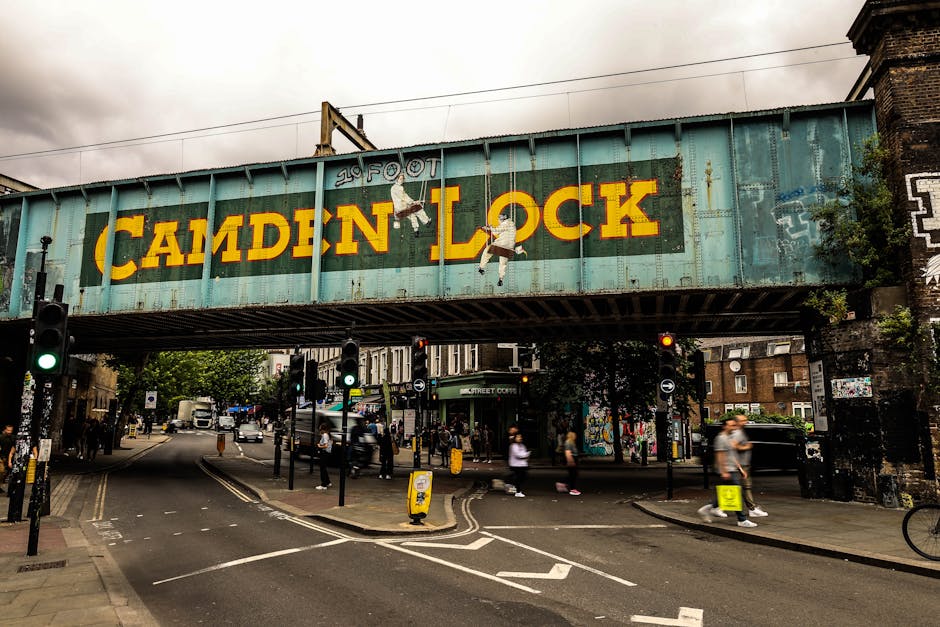
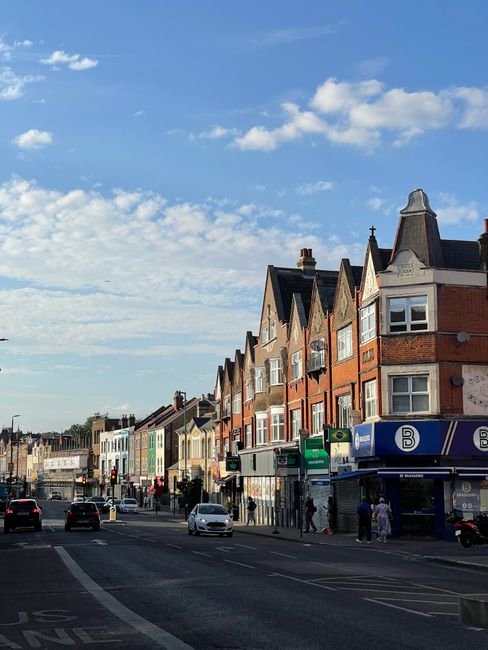
Brixton is a district in south London, within the London Borough of Lambeth, and is known for its lively commercial streets, transport links and long-standing cultural mix. The area sits on the northern edge of the Brixton Hill rise, with the Underground and rail connections around Brixton station helping to anchor the district as a busy urban centre. Market life has been part of its identity for generations, especially around Brixton Market and the covered spaces nearby, where small traders and food stalls have long added to the district’s character. The area’s street pattern reflects a layered history of development, with Victorian and later terraces standing alongside larger post-war buildings and modern mixed-use schemes. Brockwell Park lies to the south-west, offering open space, a lido and broad views across the city, while the nearby railway arches and side streets show how transport infrastructure has shaped the neighbourhood’s growth. Brixton has also become closely associated with music, nightlife and independent culture, with venues, cinemas and community spaces contributing to an active local scene. The combination of dense housing, retail activity and transit connections gives Brixton a distinctly urban feel, while its residential streets and green spaces provide quieter corners within the wider district. It is a place where old and new sit close together, and that mix remains central to its identity.
House removals and moving day planning
House removals cover a wider range of domestic moving tasks than a simple collection or delivery. Even when the move is not large, the work can involve planning what goes first, protecting furniture finishes and deciding which items are best carried in the van versus kept with the customer. A house move is usually smoother when the load order, access and destination rooms are thought through beforehand.
Moving day planning does not need to be complicated, but it should be realistic. A move with several rooms of furniture may need some items dismantled, while other pieces can be moved intact if the route allows. Boxes should be clearly labelled where possible, particularly if fragile contents need to be separated from general household goods. The clearer the plan, the less likely it is that the last part of the journey becomes rushed.
If you are choosing between different moving options, think about the quantity of furniture, the amount of boxed belongings and whether the job includes unloading into more than one room. These details influence the shape of the service and the suitability of the vehicle. For a useful quotation, you only need enough information to show the main load, access conditions and any special handling needs.
Pricing factors and quotation details

Pricing and quotes are usually influenced by the size of the load, the time needed for lifting and transport, the distance between addresses and any extra care required for access or fragile items. That means the most accurate estimate usually comes from a description of the actual move, not just a rough guess at the number of rooms. Clear quotation details help keep the arrangement sensible for both sides.
Useful information can include the number of large items, whether there are stairs, whether parking is close to the property and whether any items need dismantling or wrapping before loading. If the move includes mixed contents, separate out the bulky pieces from the boxes so the scale is easier to understand. This helps the quote reflect the work properly and avoids surprises on the day.
If you are ready to go ahead, ask for a quotation with the key details in one message. If you are still comparing the options, you can still review the service pages and decide which parts match your move best. When you are ready, request a quotation and share the items, the addresses and any access notes so the job can be priced as accurately as possible.
Local moves, recycling and next steps
Recycling and sustainability are relevant whenever removals include unwanted furniture, packaging or mixed household items that should be dealt with responsibly. A move often creates a natural point at which to decide what stays, what travels and what can be separated for reuse or recycling. Even a small man and van job can benefit from taking a tidy, thoughtful approach to items that are no longer needed.
Some customers use a van-based service to move selected furniture while leaving other items behind for later sorting. Others want to clear space by taking only the pieces that are still useful. In both cases, the important step is to identify what should be collected and what should not. That makes the load easier to plan and helps the move stay orderly from start to finish.
For a final enquiry, the best approach is to keep the information direct: list the items, note the access, mention any special handling and state where the goods are going. You can then ask for a quotation in plain terms without overcomplicating the request. If you need Brixton man and van support, contact us with the details and we will help you move to the next step.