Electric Avenue removals safe loading near Windrush Square
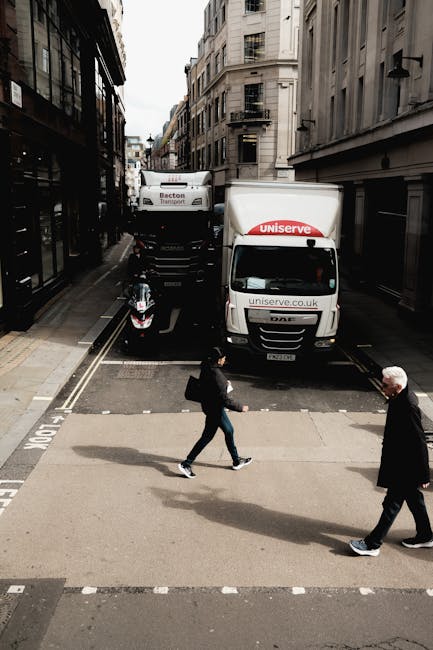
If you are planning Electric Avenue removals safe loading near Windrush Square, you are probably juggling more than boxes. There is the street layout, the timing, the neighbours, the van size, the risk of scuffs, and the very real question of how to load everything without turning a busy Brixton move into a stressful morning. Truth be told, the loading stage is where a lot of good plans go a bit wobbly.
This guide explains how safe loading works near Windrush Square, what makes it different from a standard house move, and how to reduce avoidable delays and damage. It also shows when to use a man and van, when a larger removal van is the better fit, and how to plan a move that feels calm rather than chaotic. A lot of the benefit is simple, practical planning. No magic tricks, just good habits.
- Why it matters
- How safe loading works
- Key benefits
- Who needs this service
- Step-by-step guidance
- Expert tips
- Common mistakes
- Tools and recommendations
- Law, compliance and best practice
- Options and comparison
- Real-world example
- Practical checklist
- Conclusion
- Frequently asked questions
Why Electric Avenue removals safe loading near Windrush Square Matters
Safe loading is not just about lifting things carefully. Near Electric Avenue and Windrush Square, it is about working well in a lively urban area where foot traffic, parking pressure, narrow access points, and time constraints can all stack up at once. If you have ever tried to move a mattress while someone is trying to get past with a buggy or a coffee, you will know the feeling.
The main issue is not drama, it is margin. In a more open suburban street, you may have room to set down a cabinet, rewrap a table, or briefly pause while the route clears. Near Windrush Square, that margin is slimmer. Safe loading protects people, property, and schedules. It also helps keep the move legal, sensible, and far less exhausting for everyone involved.
There is another reason it matters: the loading phase sets the tone for the whole job. If the items are stacked badly, if the van is under-sized, or if the team starts without a proper plan, the move tends to unravel later. Good loading prevents the knock-on effects. It is one of those unglamorous things that quietly saves the day.
For many households and small businesses, it also supports a cleaner, more organised move overall. That can mean less breakage, fewer return trips, and a much better chance of finishing on time. If you are moving between flats, offices, or mixed-use buildings, that matters even more.
How Electric Avenue removals safe loading near Windrush Square Works
Safe loading starts before anyone touches a box. A proper removal plan usually begins with the access route, the likely parking position, the items that need extra care, and the order in which everything will be moved. Around Brixton, that planning step is doing a lot of heavy lifting, if you will pardon the phrase.
In practice, the process often looks like this:
- Review the property layout, entrance width, stairs, and any tight corners.
- Decide where the van can stop without blocking pedestrians or creating unnecessary risk.
- Separate fragile, heavy, awkward, and high-value items before loading begins.
- Prepare the van with blankets, straps, trolleys, and floor protection where needed.
- Load heavier items first, then layer lighter and more delicate items on top or around them.
- Secure the load so it does not shift during short trips, braking, or turns.
- Double-check the last items out of the property and the first items needed at delivery.
The details matter. A wardrobe that is safe in the hallway may become awkward at the van door. A sofa that looks straightforward may need two people to guide it through a tighter corner. And on a busy street, the loading rhythm needs to be efficient without becoming rushed. That balance is where experienced movers earn their keep.
If you are comparing options, it can help to look at broader service pages such as removal services or removals so you can judge which level of support suits the move rather than guessing on the day.
Key Benefits and Practical Advantages
Safe loading may sound like an operational detail, but it brings several real benefits. The obvious one is damage reduction. The less obvious one is peace of mind. When the loading plan makes sense, the whole day feels less brittle.
- Reduced breakage: items are packed in a logical order and secured properly.
- Safer handling: fewer awkward lifts and fewer last-minute twists.
- Better timing: loading moves faster when the order is clear.
- Less stress near the property: pedestrians, neighbours, and building access are managed more calmly.
- Lower chance of double-handling: once an item is loaded, it does not need to be moved twice because the van is arranged well.
There is a real practical advantage to having a team that understands local conditions too. A move near Windrush Square often benefits from tighter coordination, especially if the loading point is limited or shared with other road users. That might sound obvious, but it is exactly the sort of thing that gets overlooked when people book the cheapest option and hope for the best. Hope is not a loading strategy.
For homes, safe loading protects furniture, floors, and door frames. For offices, it can protect equipment, documents, and continuity of business. That difference matters if you are moving from a workspace where even one lost hour is felt immediately.
Who This Is For and When It Makes Sense
This kind of move makes sense for a wide mix of people. It is not only for large house removals. In fact, smaller local moves often need the most careful loading because the spaces are tighter and the turnaround is quicker.
You may want this approach if you are:
- moving from a flat or maisonette near Electric Avenue
- relocating between rooms, studios, or short-let properties
- shifting office stock, files, or light commercial equipment
- moving a few bulky pieces that need more than a standard car load
- booking a same-day or next-day move where time is limited
- trying to reduce lifting risk for older, heavy, or delicate items
It also suits people who simply do not want the faff of doing everything themselves. To be fair, that is most people once they start carrying boxes up and down stairs. A professional loading approach can be the difference between a move that feels manageable and one that wipes out your whole afternoon.
If you are not sure whether you need a full removal team or a more flexible setup, a man with van option can sometimes suit small or medium local jobs, while house removals may be the smarter route for larger domestic moves.
Step-by-Step Guidance
Here is a simple, workable process for safe loading near Windrush Square. It is not fancy. It just works.
- Confirm what is moving. Make a room-by-room list. Include awkward items like mirrors, lamps, plants, printers, and dismantled furniture.
- Check access early. Look at the path from the property to the loading point. Watch for steps, low ceilings, tight turns, and door swing issues.
- Set aside fragile items. Keep these together so they are not buried under softer or heavier loads.
- Dismantle where sensible. Beds, tables, and shelving often load better when taken apart. Put screws and fittings in labelled bags. A tiny bit of admin saves a lot of muttering later.
- Protect surfaces. Use blankets, covers, or cardboard protection for furniture and property edges.
- Load by weight and shape. Heavy items go low and stable. Tall items are braced. Soft bags fill gaps. Loose movement is the enemy.
- Secure the load. Straps and correct stacking matter. Even a short drive can shift unsecured items.
- Leave a clear final check. Walk through the property before the van leaves. It sounds basic, but keys, chargers, and documents get forgotten all the time.
One practical tip: keep a "move essentials" bag with water, phone charger, IDs, medication, snacks, and the one thing you will definitely need before you have unpacked the rest. Everyone thinks they will remember it. Then moving day arrives and somehow the kettle is in box 14.
Expert Tips for Better Results
Little adjustments make a surprisingly big difference. After enough moves, patterns start to show.
Tip one: load for the delivery, not just the departure. If the bed frame needs reassembly first at the other end, keep it accessible. If the fridge has to come out first, do not bury it behind soft bags and boxes. Sounds obvious, but it gets missed more often than you'd think.
Tip two: keep one person in charge of the load order. Too many voices can slow everything down. A single point of direction keeps the process tidy and stops helpful people from creating extra work.
Tip three: do not overfill bags. Overpacked bags split, strain backs, and make lifting awkward. If a box feels like a brick, it probably is one.
Tip four: use the van space intelligently. A well-planned van load should behave like a puzzle where pieces support each other. Gaps are fine if they are filled properly. Empty movement is not.
Tip five: think about timing on the street. A quieter window can help, especially if the loading point is shared. Early morning often feels calmer, though local conditions vary and you still need to stay flexible.
And yes, there is a bit of common sense in all of this. But common sense is oddly easy to lose when you are tired, carrying a lamp, and trying not to bump a doorway.
Common Mistakes to Avoid
Most loading problems are predictable. That is the frustrating part, really. The good news is that they are avoidable too.
- Booking a van that is too small: this can lead to extra trips, rushed stacking, and higher risk.
- Waiting until moving day to sort items: last-minute sorting always slows the job down.
- Ignoring access restrictions: tight streets, timed loading, and shared kerb space need advance thought.
- Mixing fragile items into random boxes: this is how mugs and picture frames get damaged.
- Not dismantling furniture when needed: some pieces simply do not move safely as one unit.
- Overlooking insurance and safety information: if you are hiring help, ask how items and handling risks are covered.
Another classic mistake is underestimating the physical effort. The second or third heavy item is usually where people start making small errors. They rush. They take shortcuts. They say "that'll do" and then regret it halfway down the stairs. Let's face it, moving has a way of revealing the gap between intention and reality.
Tools, Resources and Recommendations
Safe loading is easier when the right tools are close at hand. You do not need a warehouse of equipment, but a few practical items go a long way.
- removal blankets or furniture covers
- ratchet straps or load restraints
- trolleys and sack trucks for heavier boxes or appliances
- packing tape and marker pens for labelling
- bagged screws, fittings, and assembly parts
- gloves with a good grip
- floor protection for entrances and hallways
If you want the moving process to feel more complete, combining loading with packing and unpacking services can reduce the number of fragile touches and make the whole day much more organised. That is especially helpful for busy households, offices, or anyone with limited time.
You may also want to review insurance and safety information and the company's health and safety policy before the move. It is not the exciting part of the booking, but it is the bit that reassures you when the van door closes and everything is in transit.
Law, Compliance, Standards, or Best Practice
For any move near a busy area like Windrush Square, compliance is mainly about acting responsibly, following local rules where they apply, and making sure the move does not create avoidable danger or obstruction. Exact obligations can vary depending on the property, street, vehicle, and what is being moved, so it is sensible to treat this as a best-practice area rather than assume one universal rule fits every situation.
From a practical standpoint, good compliance usually means:
- loading without blocking pedestrians, entrances, or emergency access
- using suitable equipment for lifting and securing items
- keeping the work area tidy and free from trip hazards
- making sure drivers and movers are properly insured for the job they are doing
- following sensible manual-handling practice to reduce injury risk
It is also worth checking the company's terms and conditions before booking, especially if you need clarity on waiting time, cancellation, access issues, or what happens if the van cannot park exactly where planned. That kind of reading is not glamorous, I know. Still, it saves arguments later.
If you are arranging a business move, the same principles apply, but with more attention to continuity, equipment handling, and minimising downtime. For that, office removals or broader commercial moves may fit better than a standard domestic booking.
Options, Methods, or Comparison Table
Choosing the right removal setup near Electric Avenue is often about matching the scale of the move to the level of support. Here is a simple comparison.
| Option | Best for | Strengths | Watch-outs |
|---|---|---|---|
| Man and van | Small local moves, a few bulky items, quick transport | Flexible, efficient, often ideal for short distances | May be less suitable for larger households or complex loading |
| Standard removals service | Most home moves with several rooms of furniture and boxes | More structured, better for coordinated loading and secure transport | Needs more planning and usually a clearer inventory |
| Removal van hire with support | People who want transport plus help with loading | Useful balance between cost and labour | Quality depends on vehicle size and staffing levels |
There is no single "best" option for every move. A one-bedroom flat move with a couple of awkward items may be perfect for a man with van removal setup. A fuller family house move, by contrast, often needs a more complete removal company approach so the loading is paced correctly and the van space is used properly.
Case Study or Real-World Example
Here is a realistic example based on the kind of local move people often face. Imagine a couple moving from a top-floor flat near Electric Avenue to another Brixton property not far away. They have a sofa, a mattress, two bookcases, a dining table, several boxes of kitchenware, and a few fragile framed prints. The route out of the building is narrow, and the loading point needs to be used efficiently.
Instead of carrying everything out in no particular order, the movers start with the fragile prints and set them aside. They dismantle the table legs. The heaviest items go in first, followed by wrapped furniture and then the boxed items, with soft bags used to fill small gaps. The route is kept clear. The van is loaded so the first items needed at delivery are not buried at the back. Nothing dramatic happens, which is the point. No damaged frame, no awkward reshuffling, no late panic at the door.
That kind of job may look simple from the outside, but it relies on dozens of small decisions. In our experience, the smoothest local moves are usually the ones where nobody tries to be clever. They just prepare well, stay calm, and keep the loading disciplined. Boring? Maybe. Effective? Absolutely.
Practical Checklist
Use this checklist before moving day. It keeps the process grounded.
- Confirm the move date and arrival window.
- Measure large furniture and tight doorways.
- Decide whether you need a movers team, a van-only job, or a fuller removal service.
- Pack fragile items separately and label them clearly.
- Dismantle furniture that will not safely fit through access routes.
- Keep essentials in one easy-to-reach bag.
- Check whether parking or stopping arrangements need extra planning.
- Review insurance, safety, and booking terms.
- Prepare clear directions for the loading point.
- Do a final walk-through before the van leaves.
If you want a simpler booking path, it can help to compare removal companies with a lighter local option such as removals near me. Different jobs need different levels of support. That is not a selling trick, just honest matching.
Conclusion
Electric Avenue removals safe loading near Windrush Square is really about getting the basics right in a busy local setting: smart planning, sensible lifting, proper load security, and a calm approach to access. When those parts work together, the move feels far less stressful and much more controlled.
Whether you are moving a flat, a family home, or a small business setup, the same principle applies. Good loading is not flashy, but it protects your belongings, your time, and your energy. And honestly, on moving day, that is worth a lot.
Get a free quote today and see how much you can save.
Take a breath, make the plan, and let the move unfold properly. A well-handled loading process can turn a noisy, uncertain morning into something surprisingly manageable.
Frequently Asked Questions
What does safe loading mean in a removals context?
Safe loading means arranging items in the van so they are protected, balanced, and secured for transit. It also means lifting and moving them in a way that reduces injury risk and avoids damage to property.
Why is loading near Windrush Square trickier than a regular move?
Because local streets can be busier, parking space can be tighter, and there may be more pedestrians, kerbside activity, and access limitations to work around. That calls for better timing and more careful planning.
Do I need a full removals service or just a man and van?
It depends on the size and complexity of the move. A small flat, a few furniture items, or a short local job may suit a man and van. A larger household or more structured move usually needs a fuller removals service.
How early should I plan the loading process?
As early as you can. Ideally, start sorting and measuring a few days before the move. The more awkward the access or the larger the items, the earlier you should plan.
What items need the most care during loading?
Mirrors, glass, televisions, artwork, lamps, plants, printers, and anything fragile or oddly shaped. Heavy items also need care because they can injure people or damage the van if they shift.
Can safe loading reduce the chance of breakage?
Yes. A well-loaded van keeps items stable, separates fragile goods, and prevents unnecessary movement. That does a lot to reduce scuffs, cracks, and pressure damage.
Is there a best time of day for loading near Electric Avenue?
Often, quieter times are easier, but the best timing depends on your exact access, parking situation, and the local flow of people and vehicles. The main goal is to avoid a rushed loading window.
What should I ask before booking a removals provider?
Ask about vehicle size, loading help, insurance, access limitations, timing, cancellation terms, and whether they have experience with tight urban loading conditions. Those questions are very worth asking.
How do I prepare bulky furniture for loading?
Measure it, dismantle it if possible, wrap it where needed, and make sure screws or fittings are bagged and labelled. If a piece feels awkward or unstable, assume it needs extra handling care.
Do offices need the same loading approach as homes?
The basic principles are the same, but office moves often need more attention to equipment, file security, downtime, and sequencing. That is why office removals are usually planned a bit more tightly.
What if the van cannot park exactly where I expected?
That is common in busy areas, which is why access planning matters. A good mover will adapt the loading route, but longer carry distances usually mean extra time and more physical effort.
Where can I check safety and booking details before I commit?
Review the provider's safety, insurance, pricing, and terms information before confirming. That gives you a clearer picture of what is included and helps prevent surprises on moving day.